Hospital Systems Specificity
HVAC and power systems in hospitals differ from ordinary buildings due to the extreme sensitivity of patients, medical staff, and vital equipment.
HVAC Requirements by Critical Areas
| Area | Temperature | Humidity | Air Changes per Hour | Air Filtration |
|---|---|---|---|---|
| Operating Room | 18-22°C | 40-60% | 20-25 ACH | HEPA 99.97% |
| Intensive Care Unit (ICU) | 21-24°C | 40-60% | 12-15 ACH | HEPA 95% |
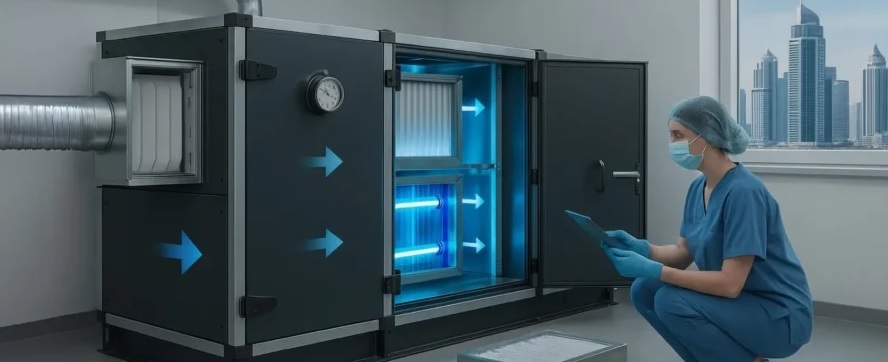
| Isolation Room | 22-24°C | 40-60% | 12 ACH (negative pressure) | HEPA + UV |
| Laboratory | 20-22°C | 30-50% | 8-12 ACH | HEPA + Chemical |
| Regular Ward | 22-26°C | 40-60% | 4-6 ACH | MERV 13+ |
Specialized Ventilation Systems
1. Positive Pressure Systems
For operating rooms and immunocompromised patient rooms, to prevent contaminants from entering from outside.
2. Negative Pressure Systems
For isolation rooms for infectious diseases (tuberculosis, COVID-19, influenza), to draw contaminated air and purify it before exhausting.
3. Portable Air Purifiers
For rooms where modifying the HVAC system is difficult.
Backup Power Systems in Hospitals
- UPS (Uninterruptible Power Supply): For instantaneous protection (0 seconds) for vital equipment.
- Backup diesel generators: To power critical loads during power outages (10-15 seconds).
- Automatic Transfer Switch (ATS): For automatic switching between power sources.
- Load classification by priority:
- Level 1 (Life Safety): Operating rooms, resuscitation, emergency lighting.
- Level 2 (Critical): Intensive care units, laboratories.
- Level 3 (Equipment): Non-critical medical equipment.
Hospital Standards and Accreditations
- ASHRAE Standard 170: For ventilation in healthcare facilities.
- NFPA 99 (Health Care Facilities Code): For electrical safety and medical gases.
- IEC 60364-7-710: For electrical installations in medical locations.
- FGI Guidelines: For hospital design and construction.
- JCI or CBAHI accreditation: For quality assurance.
Tips for Designing Hospital Systems
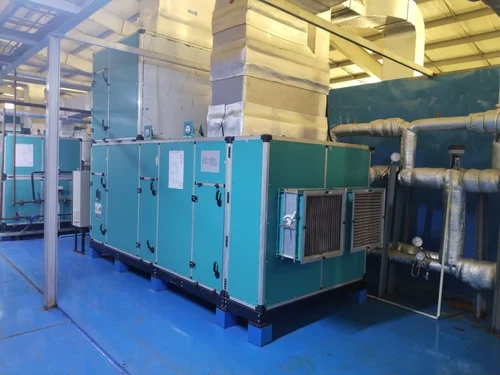
- 📐 Install separate AHUs for critical areas (do not share with regular areas).
- 🧪 Provide HEPA filters at air intakes for high-risk areas.
- ⚡ Design a UPS system at 100% for critical loads with 30-60 minutes runtime.
- 🔄 Provide at least two backup generators in large hospitals.
- 📊 Install an advanced BMS to monitor temperature, humidity, and air quality.
- 🔇 Use low-noise (silent) equipment to ensure patient comfort.
💡 Important Note: In operating rooms, airflow must be laminar from ceiling to walls to prevent contaminants from reaching the open surgical wound area.