```html
The Importance of Energy Efficiency in Buildings
The building sector accounts for approximately 40% of global energy consumption and 36% of carbon dioxide emissions. Energy efficiency reduces bills, improves occupant comfort, and protects the environment.
Energy Efficiency Strategies in Buildings
1. Improving HVAC System Efficiency
- Use high-efficiency air conditioners (SEER > 18).
- Install programmable thermostats (Smart Thermostats).
- Perform regular maintenance of filters and cooling coils.
- Properly insulate air ducts.
2. Improving Lighting System Efficiency
- Replace traditional bulbs with LEDs (75-85% savings).
- Use motion sensors in low-traffic areas.
- Utilize natural daylighting through windows and skylights.
- Install smart lighting control systems.
3. Building Thermal Insulation
- Insulate exterior walls (polyurethane, rock wool).
- Insulate roofs (foam, fiberglass, insulation boards).
- Install double or triple Low-E glazing.
- Seal gaps and cracks around doors and windows.
4. Using High-Efficiency Appliances
- Purchase appliances with Energy Star or A+++ ratings.
- Replace old appliances (more than 10 years old).
Solar Energy Systems for Buildings
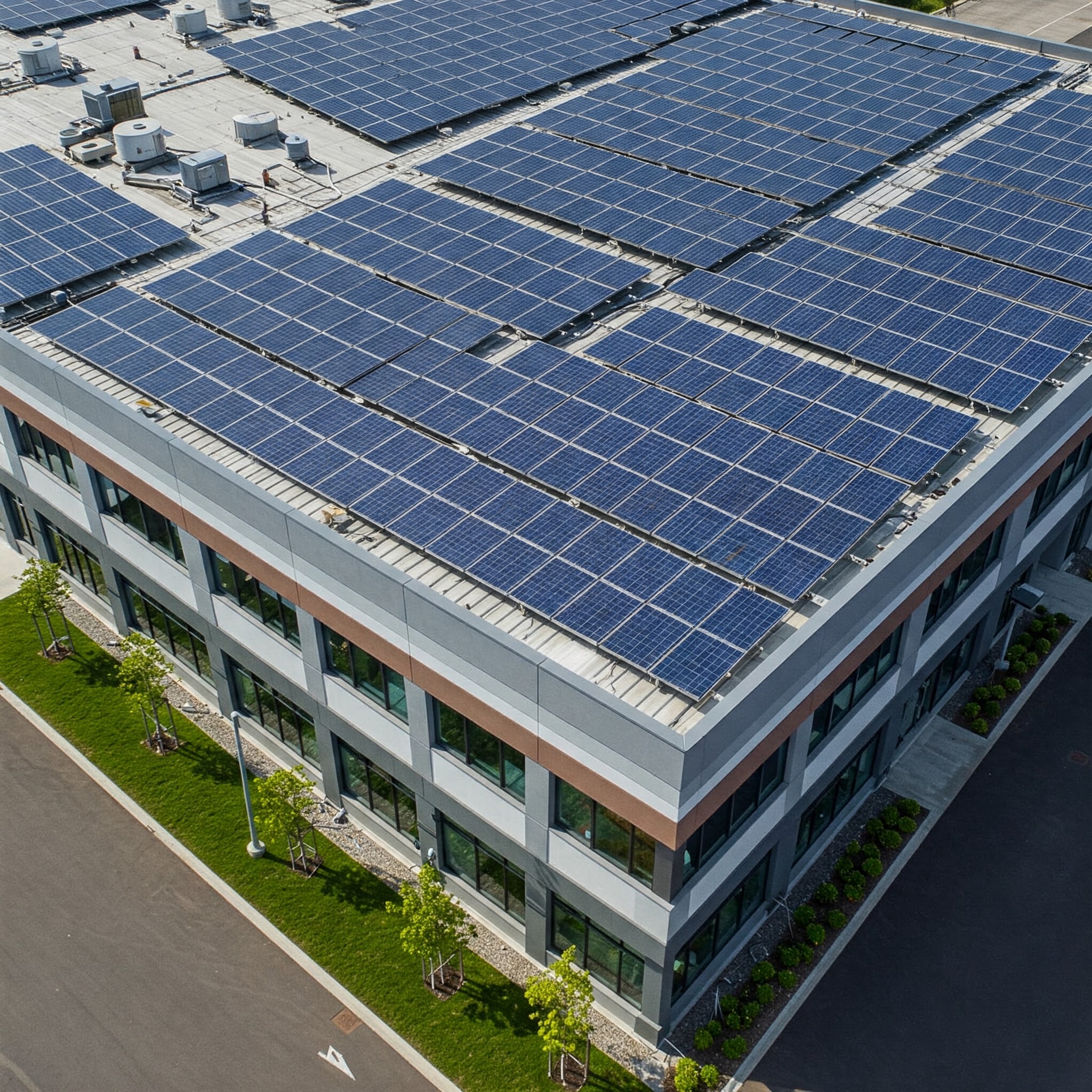
1. Photovoltaic (PV) Systems
Types:
- On-Grid (Grid-tied): Most common, powers the building and exports surplus to the grid.
- Off-Grid (Stand-alone): With batteries, for remote areas.
- Hybrid: Grid-tied with backup batteries.
2. Solar Water Heating Systems (Solar Thermal)
- Flat Plate Collectors: For domestic hot water.
- Evacuated Tube Collectors: Higher efficiency in cold climates.
Comparison Table of Solar Energy Technologies
| System | Cost ($/W) | Efficiency | Lifespan |
|---|---|---|---|
| Monocrystalline PV | 0.8-1.2 | 18-22% | 25-30 years |
| Polycrystalline PV | 0.7-1.0 | 15-18% | 20-25 years |
| Thin-Film PV | 0.5-0.8 | 10-13% | 10-20 years |
| Solar Thermal | 0.5-0.7 | 60-80% | 20-25 years |
Steps for Implementing a Solar Energy System
- 📊 Analyze electricity bills and calculate annual consumption.
- ☀️ Study solar irradiance at the building site.
- 📐 Design the system (number of panels, inverter capacity, battery capacity if applicable).
- 📝 Obtain permits and approvals from the electricity utility.
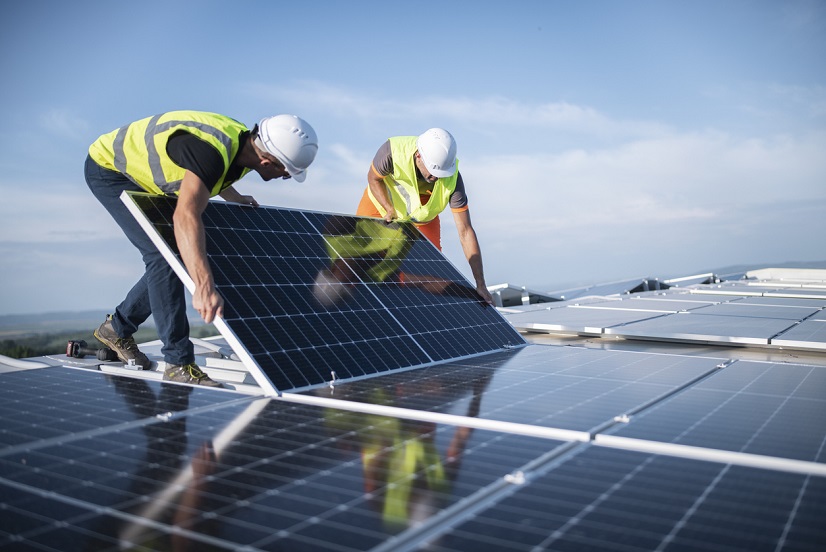
- 🔧 Install the system by certified technicians.
- 🔌 Connect, test, and commission the system.
Solar Energy Incentives and Support
- 💰 Net Metering mechanism: Sell surplus electricity to the utility.
- 📉 Customs duty exemptions on solar equipment in many countries.
- 🏦 Soft loans with reduced interest rates for small and medium enterprises.
- 🌍 Carbon credits for large projects.
💡 Smart Investment: The payback period for solar energy systems ranges from 4-8 years, while the system lifespan reaches 25 years, resulting in significant long-term savings.
```