The Importance of Correct Fault Diagnosis
Accurate diagnosis of HVAC system faults saves time and money and prevents recurring failures. In this guide, we will cover the most common faults in split units, central systems, and water-cooled chillers.
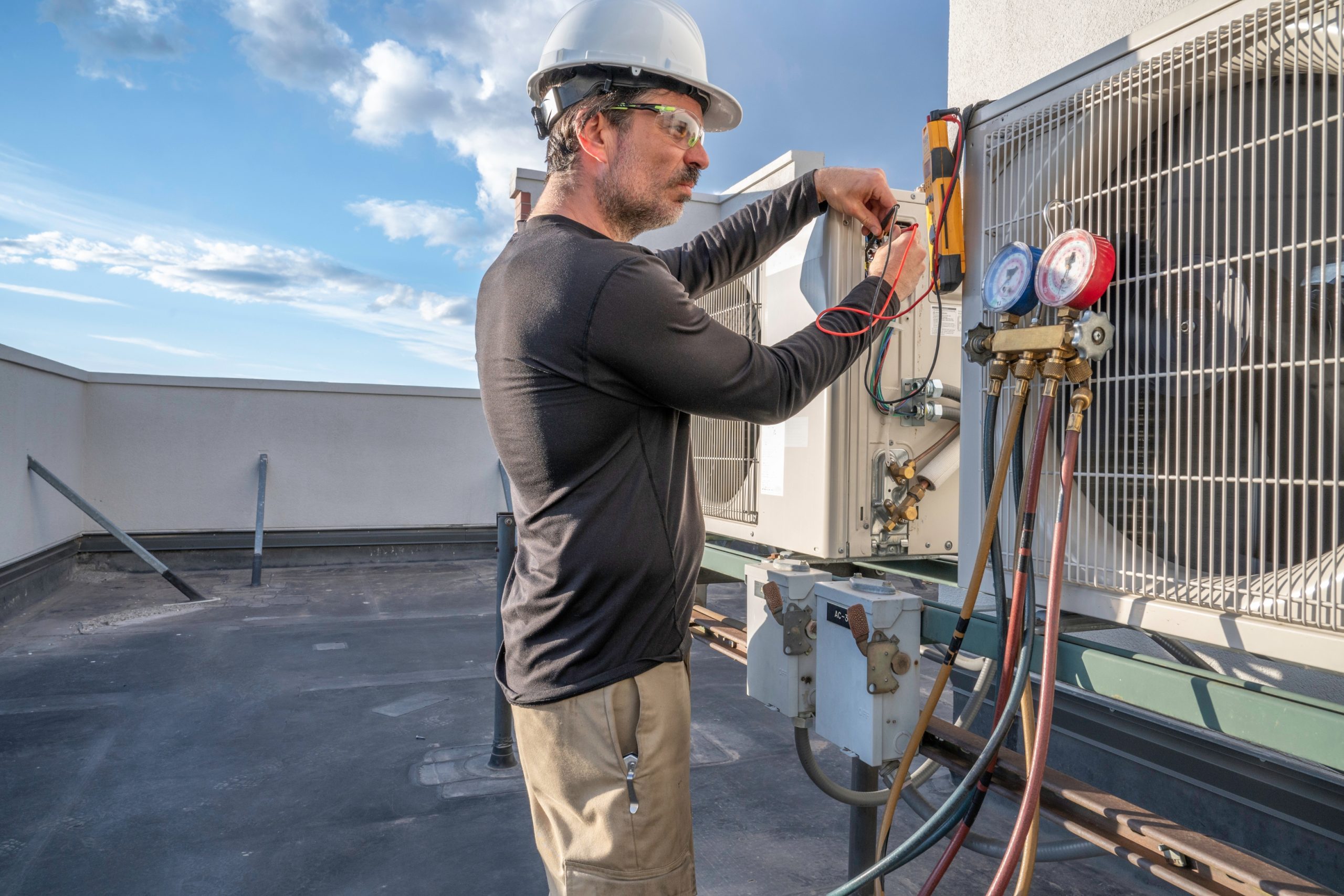
Basic Diagnostic Tools

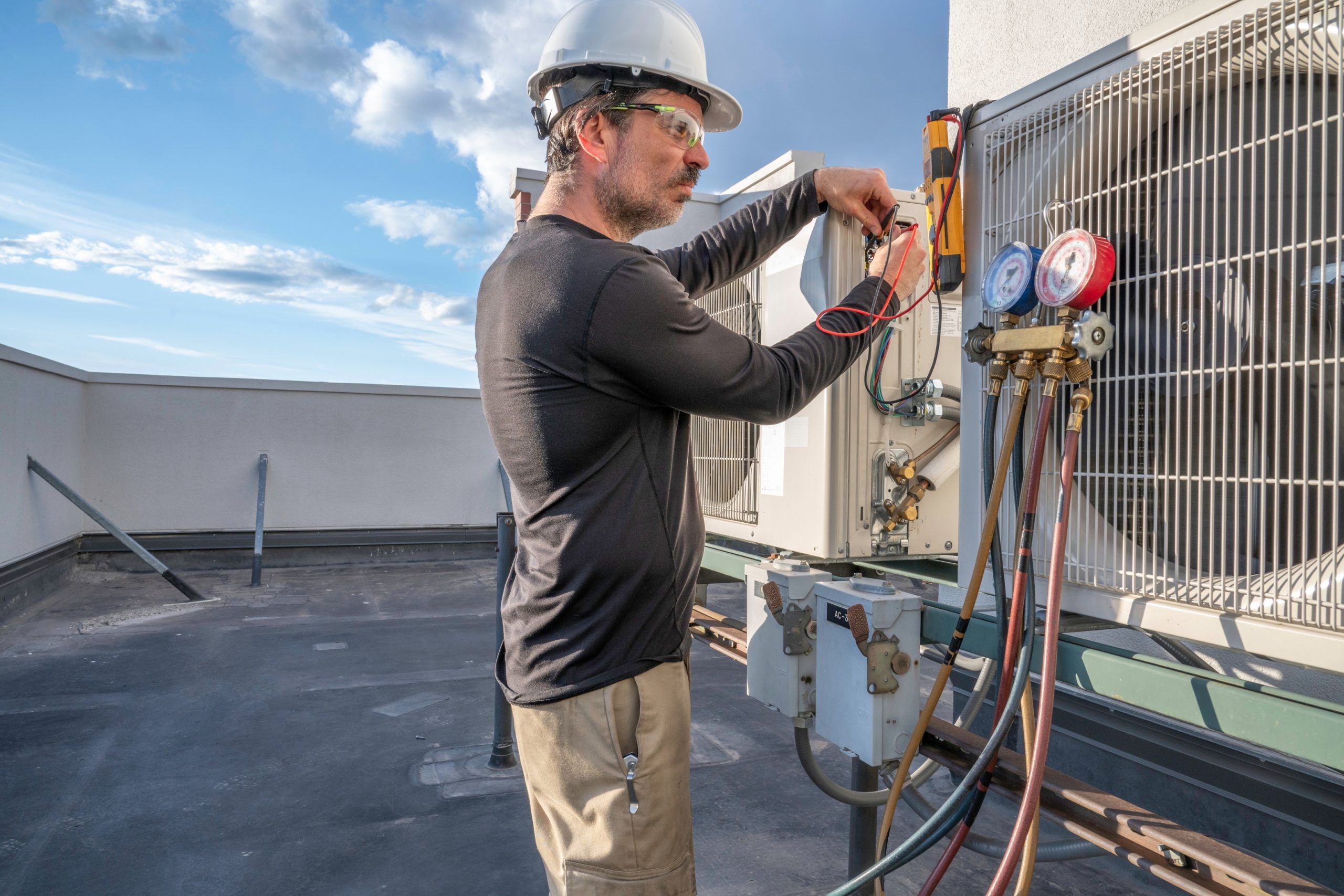
- 🔧 Manifold Gauge: To measure refrigerant pressures.
- 🌡️ Infrared Thermometer (IR Thermometer): To measure suction and discharge temperatures.
- ⚡ Clamp Meter: To measure electrical current.
- 💨 Anemometer: To measure airflow.
- 🔍 Thermal Camera: To detect blockages and abnormal heat.
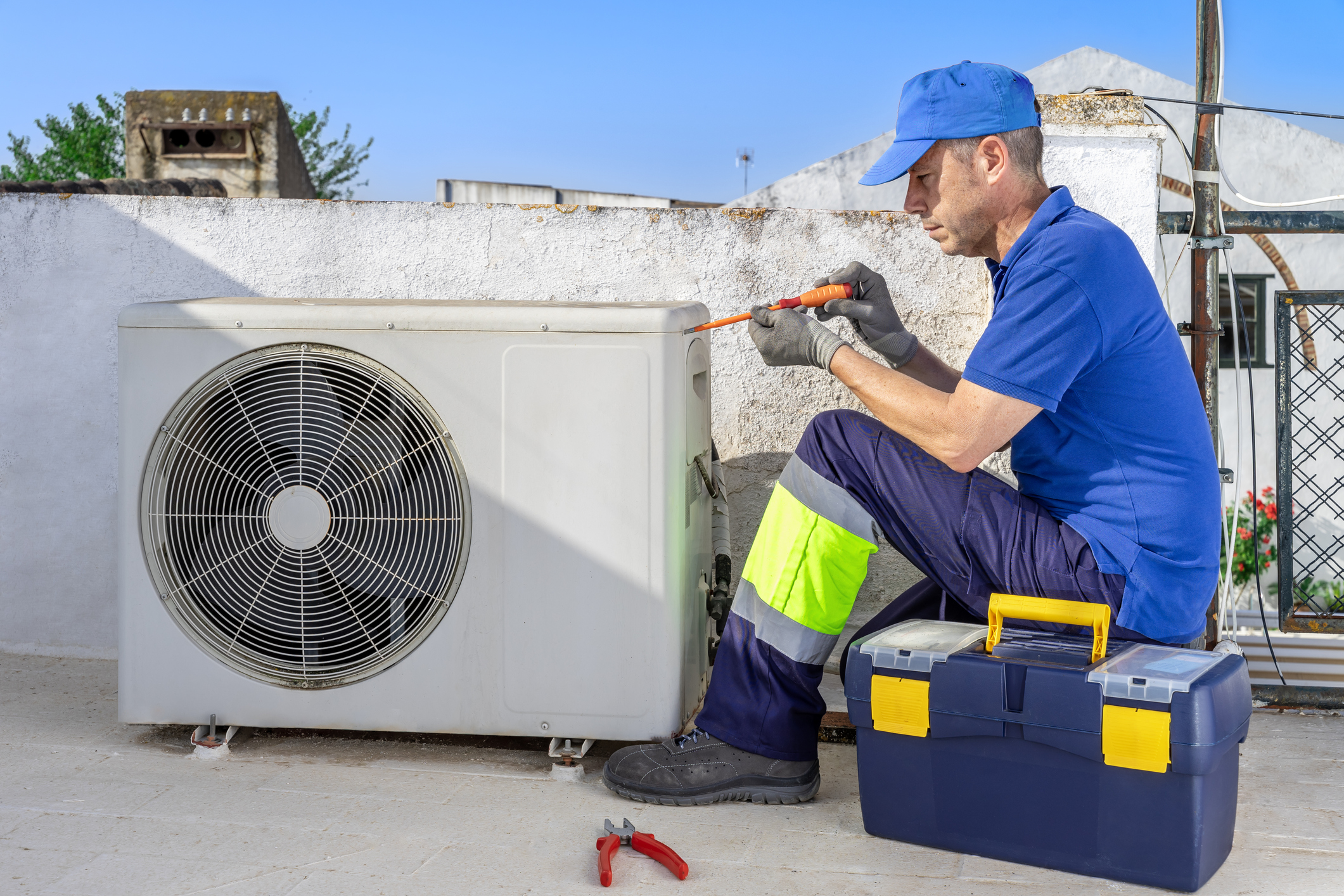
- 🪛 Screwdriver and wrench set: For inspection and disassembly.
Fault Diagnosis Table (Split Unit)
| Symptom | Possible Causes | Solutions |
|---|---|---|
| Does not work at all | - Power outage - Breaker tripped - Blown fuse |
- Check breaker and voltage - Reset breaker - Replace fuse |
| Weak cooling | - Dirty filter - Low refrigerant - Dirty coils |
- Clean filter - Recharge refrigerant - Clean coils |
| Insufficient cooling/heating | - Low/High refrigerant - Faulty compressor - Stuck reversing valve |
- Charge/recover refrigerant - Check compressor - Check reversing valve |
| Loud noise / vibration | - Unbalanced fans - Loose parts - Faulty compressor |
- Balance/replace fan - Tighten screws - Check compressor |
| Internal water leak | - Clogged drain hose - Improper tilt - Faulty drain pump |
- Clean hose - Level the unit - Replace pump |
| Bad odor | - Mold in filter/coils - Dead animal in duct - Refrigerant leak |
- Clean and sanitize - Inspect ducts - Check for leaks |
Diagnosing Chiller Faults
| Symptom | Possible Causes | Solutions |
|---|---|---|
| Reduced cooling capacity | - Low water flow - Low refrigerant - Dirty evaporator |
- Check pumps and valves - Recharge refrigerant - Clean evaporator |
| High discharge pressure | - Dirty condenser - Faulty fan - Excess refrigerant |
- Clean condenser - Check fan - Remove excess refrigerant |
| Low suction pressure | - Clogged filter drier - Low refrigerant - Stuck closed expansion valve |
- Replace filter drier - Recharge refrigerant - Open/replace expansion valve |
Quick Fault Diagnosis Tips
- 📝 Record operating readings: Pressures, temperatures, electrical current (comparing them to normal values helps diagnosis).
- 👂 Use your hearing: Unusual sounds (whistling = gas leak, crackling = electrical arcing, hissing = tired compressor).
- 👀 Visual inspection: Oil leak = refrigerant leak, electrical corrosion = excessive heat.
- 🌡️ Measure suction and discharge temperatures: Normal difference is 8-12°C for cooling.
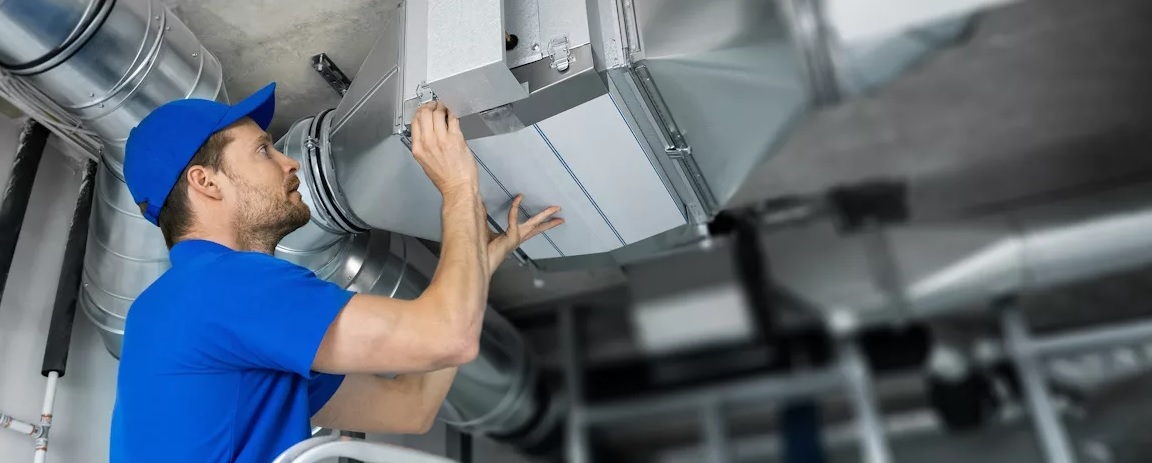
- 💨 Check airflow: Unblocked suction and discharge openings, fans working.
When to Call a Specialist Technician?
- ⚠️ When handling refrigerant is required (requires special license in some countries).
- ⚠️ Large compressor or chiller faults.
- ⚠️ Electronic control board faults.
- ⚠️ When specialized measuring tools are not available.
💡 Important Reminder: Before calling a technician, check the simplest causes: Is the breaker on? Is the thermostat set to cooling? Is the filter clean? You might save time and money.