
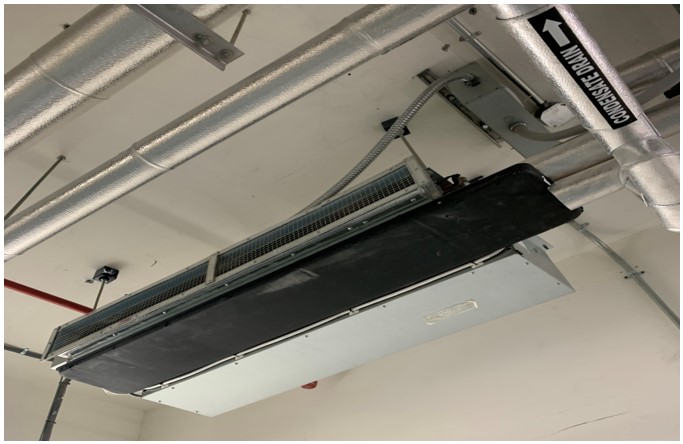
Challenges of Hotel Systems
Hotels are characterized by variable operating patterns (partial/full occupancy, summer/winter) and high comfort requirements (rooms, restaurants, halls, pools, fitness centers).
Suitable Air Conditioning Systems for Hotels
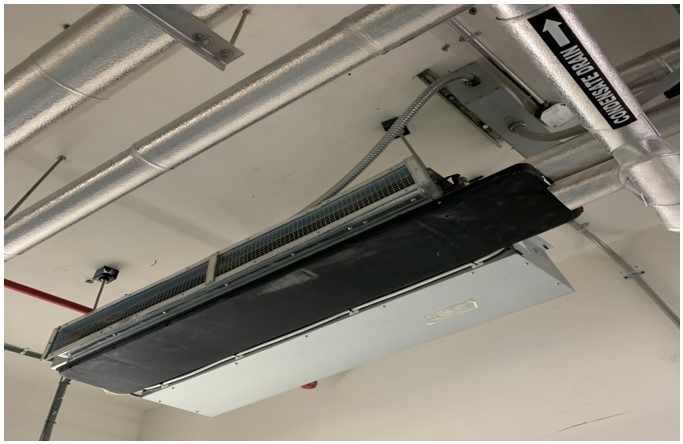
1. FCU Systems for Rooms
- Most common in guest rooms.
- Installed in the ceiling or under the window.
- Individual control via thermostat.
- Connected to the key card system to operate only when the guest is inside.
2. VRF Systems for Corridors and Common Areas
- High efficiency during partial load (most of the time).
- Flexibility in design and long piping distances.
3. AHU + Chiller Systems for Large Areas
- Conference halls, restaurants, and gyms.
- Industrial kitchens (high ventilation + extraction of odors and grease).
Energy Saving Technologies in Hotels
| Technology | Expected Savings | Application |
|---|---|---|
| Key Card System | 30-40% | Guest rooms |
| Occupancy Sensors | 15-25% | Corridors, bathrooms |
| VFD on AHUs/Fans | 20-35% | Halls, kitchens |
| Heat Recovery | 10-20% | Pool water heating |
| BMS Optimization | 10-15% | All systems |
Backup Power Systems in Hotels
- Critical loads: Emergency lighting, elevators, control rooms, main kitchens.
- Backup generators: To cover 30-50% of loads (depending on hotel rating).
- UPS for IT and servers: To protect the Property Management System (PMS).
Design of Hot Water and Pool Systems
- 💧 Boilers to provide hot water for rooms and kitchens.
- 🏊 Pool water heating using heat pumps or solar energy.
- 🔄 Heat recovery systems from air conditioning units to preheat water.
Hotel Quality Levels (Star Ratings)
- 3-Star Hotels: FCU + Key Card + basic backup generator.
- 4-Star Hotels: VRF for common areas + basic BMS + UPS for IT.
- 5-Star Hotels: Full VRF + advanced BMS + audio system + high acoustic insulation + multiple generators.
💡 Golden Tip: In hotel rooms, use a Key Card system equipped with a PIR sensor to detect actual guest presence rather than just card insertion, for greater energy savings.