Exceptional Requirements for 5-Star Hotels
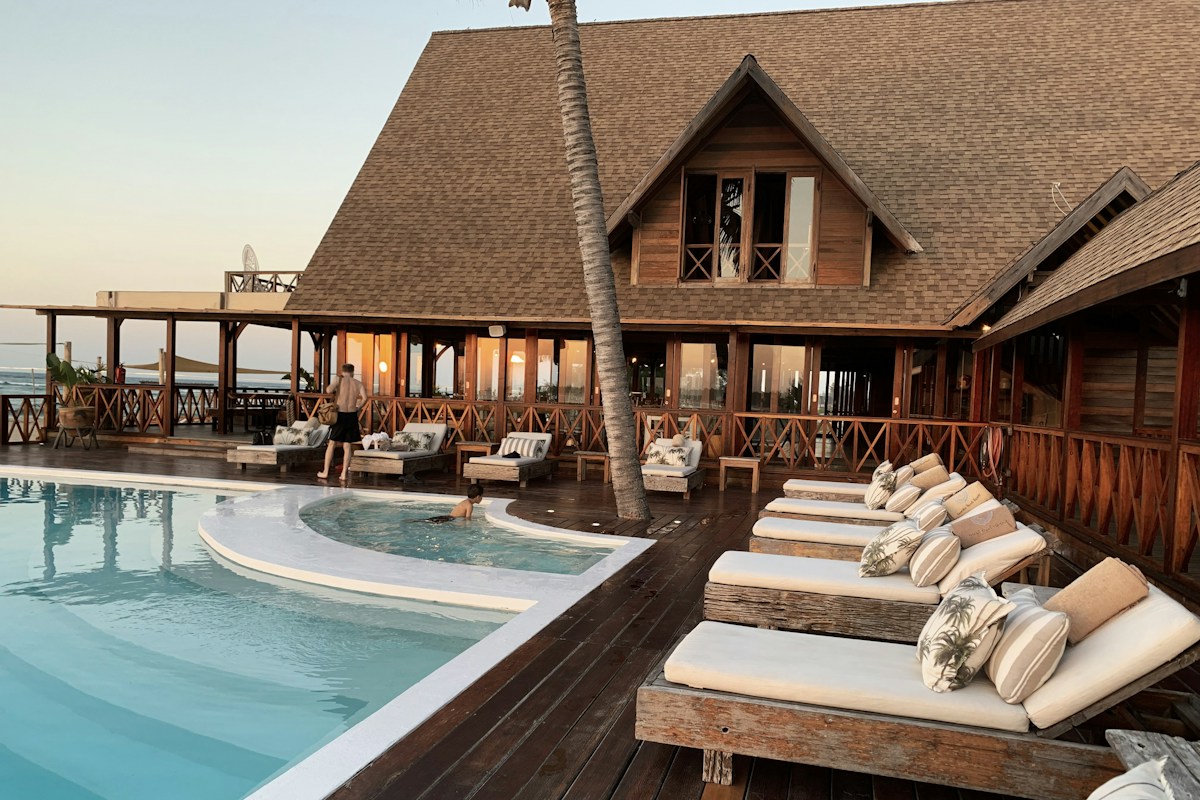
HVAC design in luxury hotels differs from commercial buildings in one fundamental aspect: the comprehensive guest experience. Temperature is not just a number — it is part of an emotional experience that defines the hotel brand. Brands like Marriott, Hilton, and Four Seasons have strict technical requirements that every project must adhere to.
Noise Criteria (NC) Standard
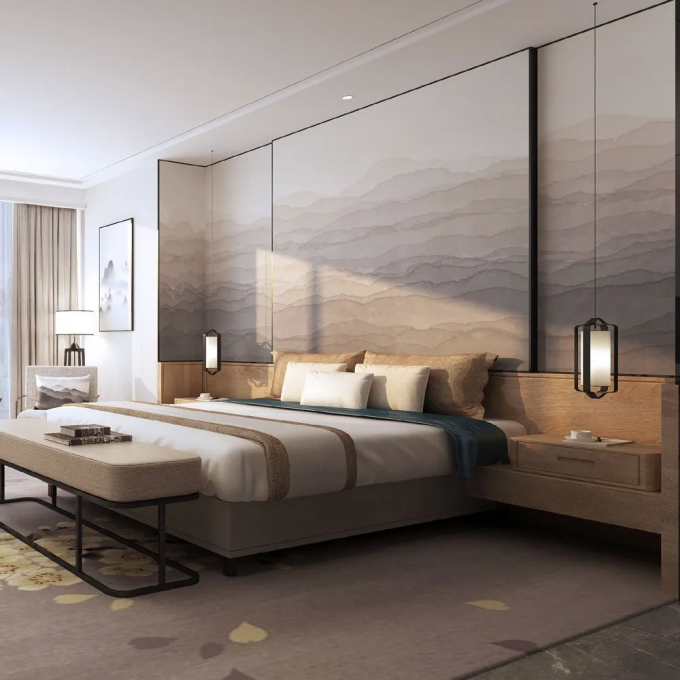
One of the most important standards in first-class hotels is the HVAC system noise level:
| Space | Required NC | Note |
|---|---|---|
| Guest rooms | NC-25 to NC-30 | Essential for comfortable sleep |
| Meeting halls | NC-30 to NC-35 | Speech clarity |
| Restaurants and cafes | NC-35 to NC-40 | Conversation privacy |
| Lobby and entrances | NC-40 to NC-45 | High traffic |
| Spa and treatment rooms | NC-25 to NC-30 | Complete relaxation |
| Gyms | NC-40 to NC-45 | Less sensitive |
Guest Room Design: Dedicated FCU Systems
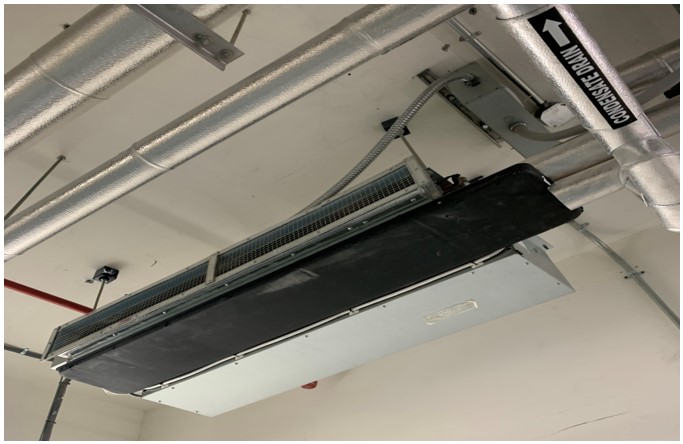
The optimal choice for hotel rooms is concealed ducted FCUs with the following specifications:
- Independent control: Thermostat in each room with window-open shut-off capability
- 4 speeds: Low - Medium - High - Auto
- Installation location: Above false ceiling, away from sleeping area
- Flexible connections: For vibration isolation
- Condensate drainage: Sloped with stainless steel drain pans
Spa Area Design
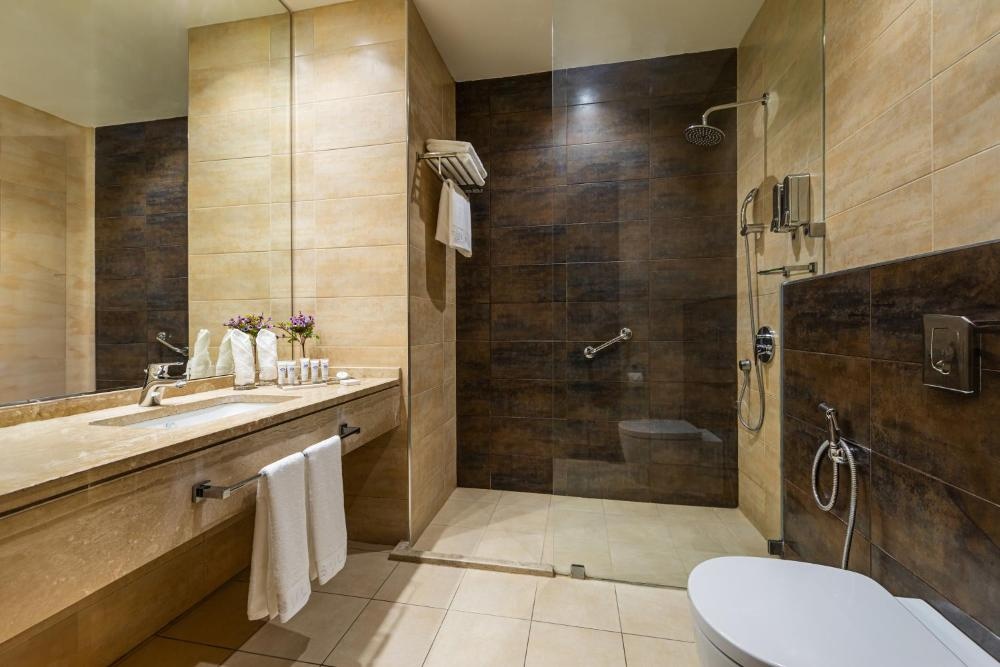
Spas and indoor swimming pools are among the most difficult spaces to condition due to high latent heat:
- Relative Humidity: 55-65% RH (maintaining this requires intensive dehumidification)
- Dehumidifier system: Dedicated dehumidifier with separate DOAS unit
- Pressure: Negative to prevent water vapor migration to adjacent areas
- Thermal insulation: Essential on all adjacent walls and ceilings
- Fresh air: 100% outdoor air (no recirculation) due to chlorine vapor
Large Hotel Kitchens
Among the most engineering-complex spaces:
- ACH: 20-30 with full make-up air compensation
- Hoods with 3 exhaust types: Frying + grilling + general heat
- Upblast exhaust fans: Fire and grease resistant
- K-Class fire suppression system inside grill hoods
- Continuous negative pressure to prevent odor migration
Conference Hall for 500 People
Engineering calculation example:
- People load: 500 × 130W = 65,000W
- Required fresh air: 500 × 10 L/s = 5,000 L/s = 18,000 m³/h
- Recommended system: VAV with CO₂ control for ventilation energy savings
- Air distribution: Linear wall outlets (away from ceiling)
- Energy recovery: ERU unit with thermal efficiency ≥ 75%